

personalized curriculum

Common IEP Mistakes

Common IEP Mistakes Top 3 Key Takeaways IEP goals often fail when they are vague, not measurable, or not aligned to true present levels of performance (PLAAFPs). High-quality diagnostic data—such as the data produced by DORA and ADAM—helps educators write accurate, standards-aligned, skill-specific goals. Ongoing data monitoring ensures that instruction stays responsive and
By |2026-04-08T19:28:55+00:00March 18th, 2026|Artificial Intelligence (AI), Special Education|Comments Off on Common IEP Mistakes

How to Create an Effective Individualized Education Program

How to Create an Effective Individualized Education Program (IEP) Top 3 Key Takeaways Effective IEPs begin with high-quality diagnostic data that clearly defines a student’s present levels of performance (PLAAFP). Tools like DORA and ADAM provide granular, skill-level insights that strengthen goal-setting. Goals must be measurable, standards-aligned, and instructionally meaningful, allowing teachers to

By |2026-03-17T19:20:44+00:00March 17th, 2026|Special Education|Comments Off on How to Create an Effective Individualized Education Program

The Science of Reading: What Educators Need to Know

The Science of Reading: What Educators Need to Know Top 3 Key Takeaways The Science of Reading is research-based, not a curriculum or a political stance. It’s an interdisciplinary body of evidence about how children learn to read. Effective instruction combines explicit, systematic teaching of foundational skills with language development and comprehension strategies.

By |2026-02-18T22:16:36+00:00February 18th, 2026|Reading Curriculum|Comments Off on The Science of Reading: What Educators Need to Know

Integrated Academics and Behavior

Integrated Academics and Behavior Top 3 Key Takeaways Behavior challenges often signal academic skill gaps, not motivation problems. Early, data-driven assessment allows educators to align instruction and behavior supports effectively. When students experience academic success, positive behavior follows. As a new semester begins, educators are focused on setting expectations, building relationships, and

By |2026-01-15T22:21:41+00:00January 15th, 2026|Math Assessment|Comments Off on Integrated Academics and Behavior

Why January Is the Perfect Time to Reassess Students

Why January Is the Perfect Time to Reassess Students Top 3 Key Takeaways The New Year offers a natural reset—academically and emotionally—for students and educators alike. Midyear assessments reveal growth and gaps in learning that fall data alone can’t show. Adaptive assessments like Let’s Go Learn empower teachers with actionable, instruction-ready data.

By |2026-01-12T20:33:04+00:00January 12th, 2026|Reading Assessment|Comments Off on Why January Is the Perfect Time to Reassess Students

Signs Your Child Is Falling Behind (and the Fastest Way to Help Them Get Ahead!)

Signs Your Child Is Falling Behind (and the Fastest Way to Help Them Get Ahead!) Top 3 Key Takeaways K–12 assessment types serve different purposes—screeners, benchmarks, diagnostics, and formative assessments all play unique roles in the Assessment–Instruction (A–I) cycle. Only a true diagnostic assessment can identify why a student is struggling, making it

By |2025-12-05T23:43:33+00:00December 5th, 2025|Math Assessment|Comments Off on Signs Your Child Is Falling Behind (and the Fastest Way to Help Them Get Ahead!)

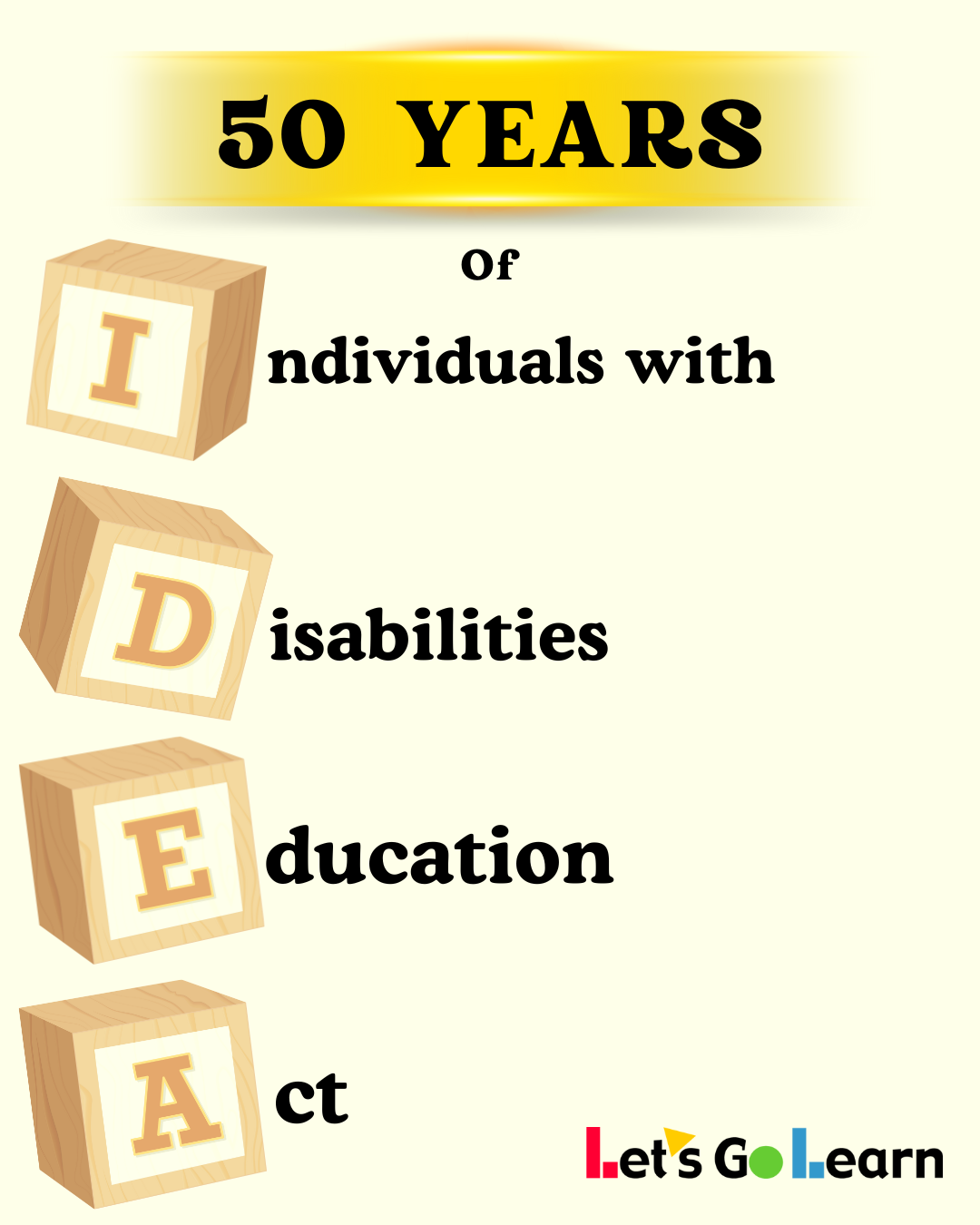
Before IDEA: The Fight for School Access and Why 50 Years of the Law Matters

Before IDEA: The Fight for School Access and Why 50 Years of the Law Matters Currently, there is a lot of discussion surrounding the Department of Education, the challenges facing schools, and the state of special education across the country. Many people do not realize that the Individuals with Disabilities Education Act (IDEA)

By |2025-12-01T23:27:25+00:00December 1st, 2025|Special Education|Comments Off on Before IDEA: The Fight for School Access and Why 50 Years of the Law Matters

Effective Behavioral act Techniques for K-12 Schools: Inside LGL’s BEAM

Effective Behavioral act Techniques for K-12 Schools: Inside LGL’s BEAM Top 3 Key Takeaways Behavior needs the same tiered, data-driven rigor as academics. Tiered interventions align behavior MTSS with academic MTSS to improve outcomes and equity. Easy, flexible data capture is non-negotiable. LGL’s BEAM lets staff log majors, minors, and positives on phone

By |2025-10-21T19:54:24+00:00October 21st, 2025|Education Reform|Comments Off on Effective Behavioral act Techniques for K-12 Schools: Inside LGL’s BEAM

AI in Higher Education

AI in Higher Education Key Takeaways AI streamlines administrative efficiency in higher education by automating reporting, compliance, and student learning plan creation. Let's Go Learn's AI tools—including the Support Assistant (KIA), AI Assistants (DORA and ADAM), and the Learning Plan Assistant—help administrators ensure accurate, consistent, and compliant processes across institutions. AI-powered documentation and

By |2025-09-03T17:40:01+00:00September 3rd, 2025|Math Assessment|Comments Off on AI in Higher Education

Choosing the Right Homeschool Curriculum: A Guide for Parents

Top 3 Key Takeaways: Choosing the right homeschool curriculum depends on your child’s learning style, your teaching preferences, and your educational goals. Blended learning tools like Let's Go Learn provide personalized assessments and instruction, making curriculum selection easier and more effective. Researching curriculum types and using reliable resources can simplify the decision-making process.

By |2025-08-11T18:24:49+00:00August 11th, 2025|Homeschool|Comments Off on Choosing the Right Homeschool Curriculum: A Guide for Parents
Go to Top